Comparative Analysis of Anti-Corrosion Plating Coatings (Cd/Zn-Ni/Au) for Aviation Connector Terminals
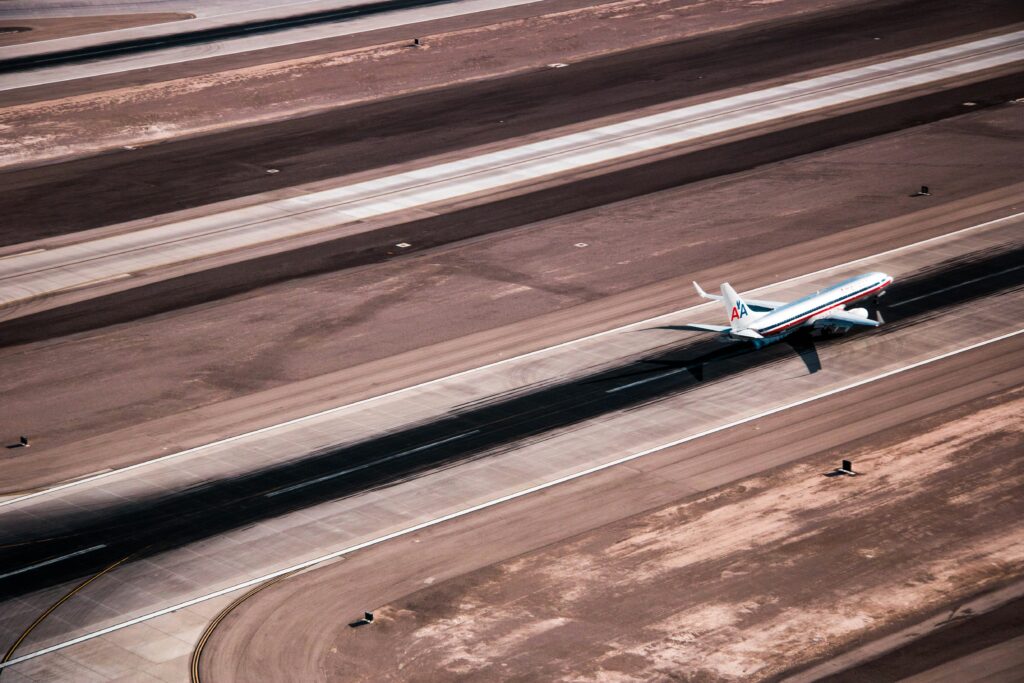
Ⅰ. Cadmium Plating
• Corrosion prevention mechanisms and environmental adaptation
▪Superior Marine Protection: Forms a dense cadmium oxide (CdO) layer in salt spray and high-humidity environments, effectively blocking corrosive media penetration.
▪Smart Sacrificial Anode: Undergoes potential reversal (-0.7V→-0.5V) in marine atmospheres, transitioning from cathodic to anodic coating to sacrificially protect steel substrates.
▪High-Temperature Water Resistance: 40% lower corrosion rate than zinc plating in hot water above 70°C.
• Core performance advantages
▪Lubricity & Friction Reduction:
- Mohs hardness of 1.8 (vs zinc 2.5), friction coefficient as low as 0.08, reducing insertion force (<5N).
- Extends mating cycles to >10,000 for aviation connector springs (vs 3,000 unplated).
▪Hydrogen Embrittlement Control:
- Electroplating at ≤3A/dm² + 200℃×8h baking achieves <0.001% failure rate (AMS-QQ-P-416 compliant).
▪Electrical Performance:
- Stable contact resistance (2-5mΩ), suitable for signal transmission ≤10A.
• Environmental Restrictions and Aviation Exemptions
| Limitations | Aviation Solutions |
|---|---|
| High Toxicity: Cd listed in REACH SVHC | Military aviation exemption (MIL-DTL-83488 permits naval use) |
| Wastewater Cost: >$50/ton for Cd treatment | Closed-loop plating systems (>99.5% recovery) |
| Regulatory Pressure: RoHS limit 100ppm | Developing Cd-free coatings (e.g. Al-IVD) pending full replacement |
• Typical aviation application scenarios
▪Harsh Environment Components:
- Carrier-based aircraft external connectors (>720h salt spray resistance per ASTM B117)
- Engine bay harness terminals (operating temp -65℃~230℃)
▪Precision Structures:
- Landing gear sensor connectors (15G vibration resistance)
- Flight control module spring pins (±0.3N insertion force tolerance)
Ⅱ. Zinc-Nickel Alloy Plating
• Anti-corrosion mechanism and environmental advantages
▪Passivation Layer Enhancement:
- 12±2% Ni alloy with trivalent chromium passivation forms composite film (ZnO·NiO·Cr₂O₃), salt spray resistance >1000h (ISO 9227).
- Anodic protection efficiency 95%, corrosion rate only 0.8μm/year (vs Cd 3.5μm/year).
▪Eco-Friendly Compliance:
- Cd/Pb/Cr⁶⁺ free, compliant with REACH, RoHS 3 (<1000ppm) & aviation ELV directives.
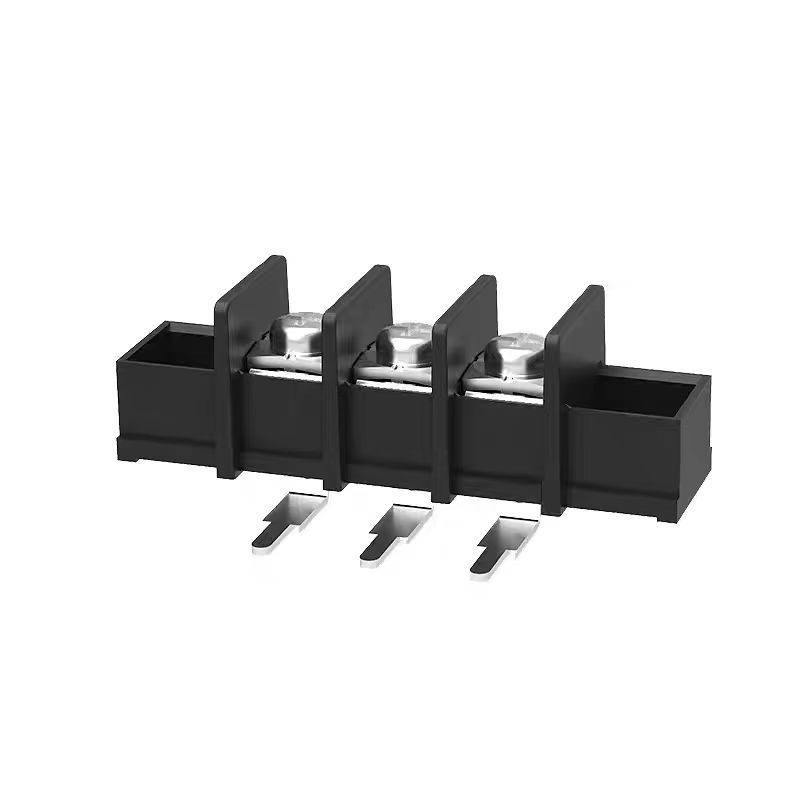
• Mechanical and electrical properties
▪High Hardness & Wear Resistance:
- Microhardness 250-450 HV (vs Cd 50-70 HV), mating wear reduced by 60%.
- Passes MIL-STD-202G vibration test (10~2000Hz/15G acceleration).
▪Electrical Reliability:
- Contact resistance ≤5mΩ (post-passivation), variation <±10% after 500 cycles.
- Operating temp -50℃~250℃ (300℃ short-term), resistance drift <0.3%/℃.
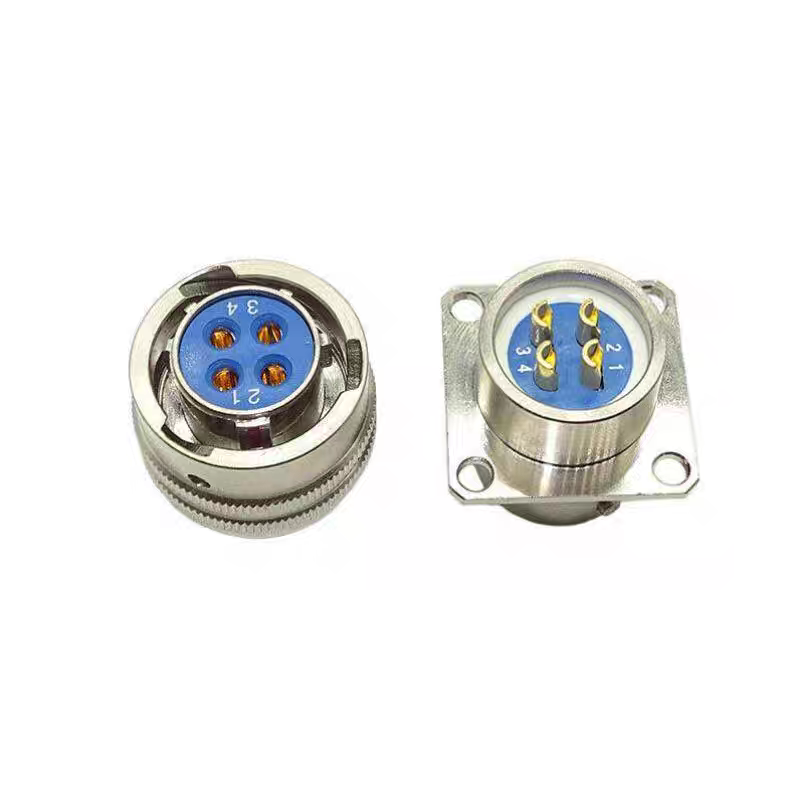
• Aviation Alternative Applications Program
| Cadmium Application | Zinc-Nickel Solution |
|---|---|
| Engine harnesses | 15μm Zn-Ni + nano-sealant (300℃ rating) |
| De-icing system plugs | Non-passivated layer (avoid low-temp brittleness) |
| Naval aviation equipment | 20μm thickness + double-passivation (1500h salt spray) |
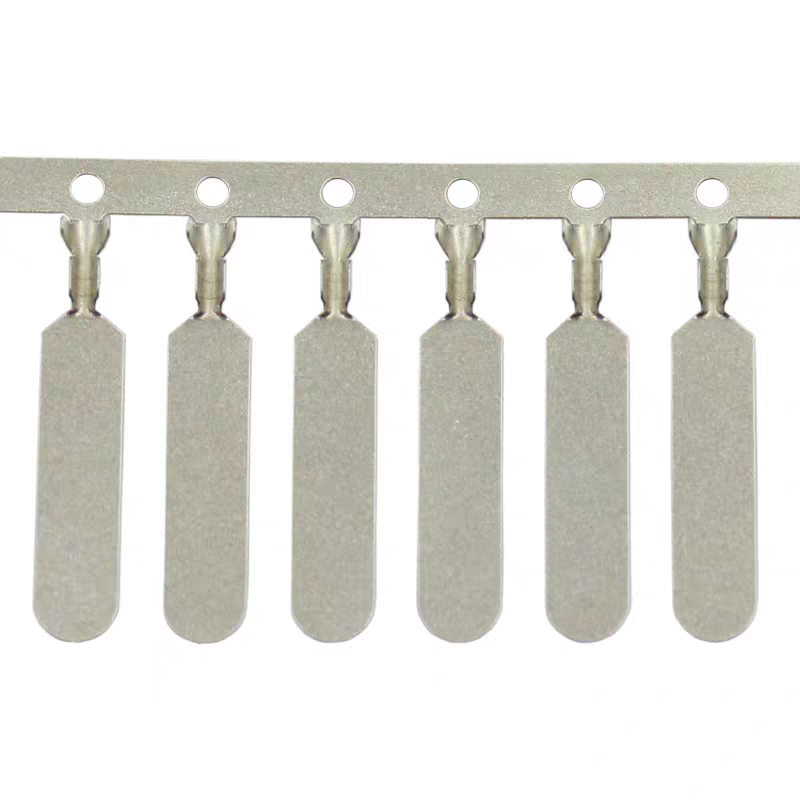
• Process Control Points
▪Composition Control: Ni content 12-15% (aviation grade), pulse plating for grain size ≤0.5μm.
▪Passivation Process: Blue-white passivation (0.3-0.8μm) for cabin interiors, olive drab (1.2-2μm) for externals.
▪Porosity Standard: Potassium ferricyanide test (ISO 10309) requires ≤5 pores/cm² (vs industrial 20 pores/cm²).
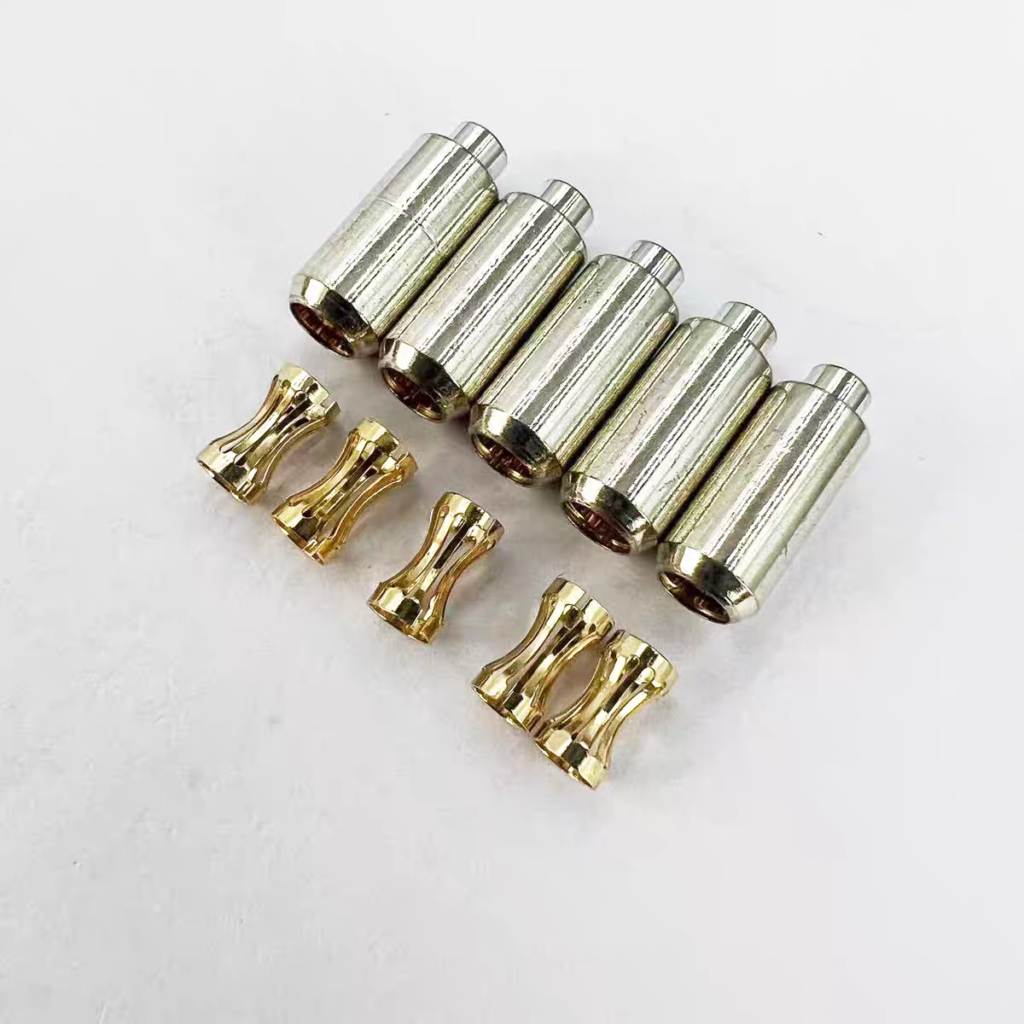
Ⅲ. Gold Plating
• Superior anti-corrosion and electrical properties
▪Chemical Inertness:
- Resists all organic acids, sulfides, and salt spray; 0.5μm layer passes 2000h mixed gas test (ISO 16701).
- Oxidation growth <0.02μm after 10 years at 85℃/85%RH.
▪Signal Integrity:
- Contact resistance 0.5-1.5mΩ, supports 40GHz transmission (VSWR<1.2).
- Resistance variation <3% after 10,000 mating cycles (vs 30% for silver plating).
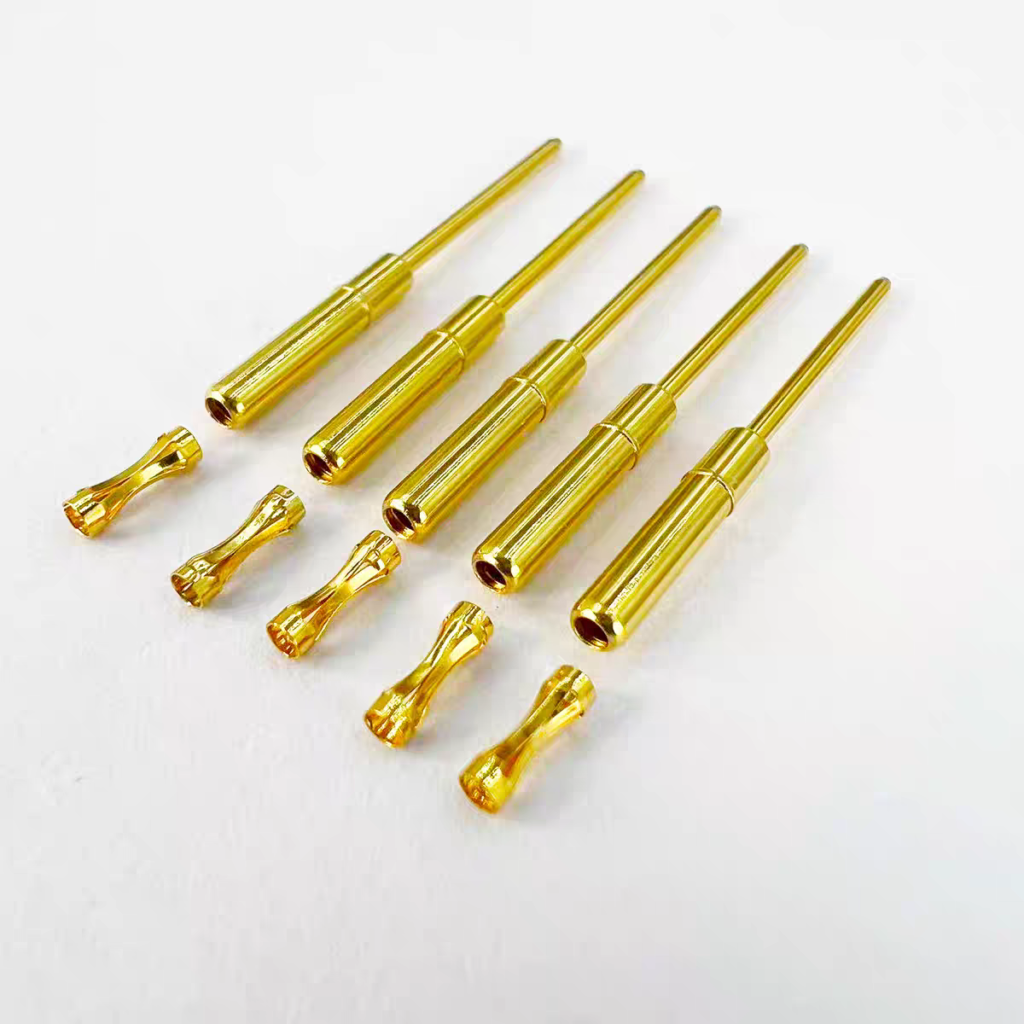
• Composite plating structure design
| Layer Structure | Function | Aviation Spec |
|---|---|---|
| Nickel Barrier | Blocks Cu/Zn diffusion | 2-5μm (MIL-G-45204) |
| Hard Gold Surface | Co/Ni alloy for wear resistance | 0.8-1.5μm (180-220HV) |
| Selective Plating | 30μm on contact points, -40% cost | Laser mask precision ±5μm |
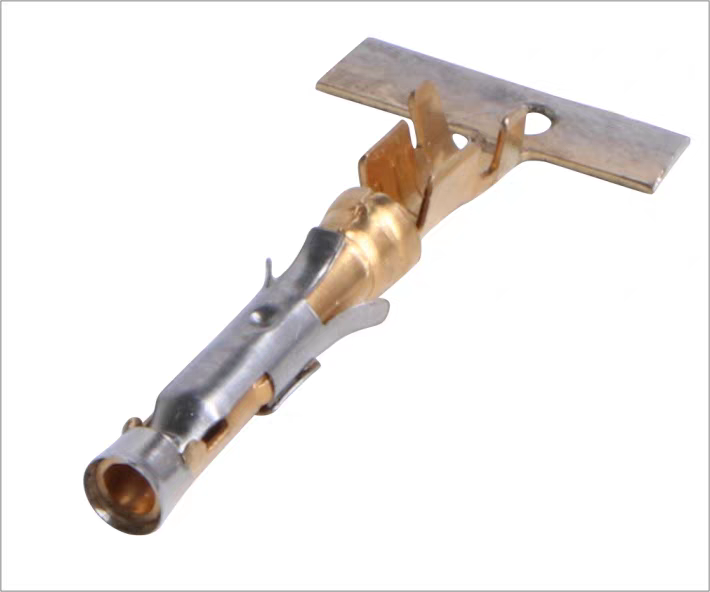
• Aviation harsh scenario applications
▪High-Frequency Systems:
- Radar waveguide connectors (>2μm Au, Ra≤0.1μm).
- Satellite communication edge connectors (>25,000 cycles, ECSS-Q-ST-70-08C).
▪Harsh Environments:
- FADEC engine control plugs (thermal shock -65℃~200℃ no cracking).
- Spacecraft external connectors (atomic oxygen resistance per ASTM E2089).
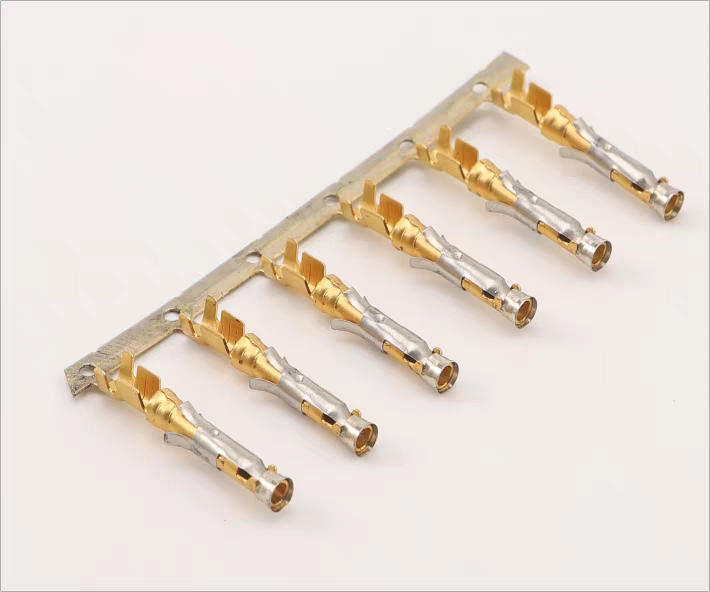
• Cost control and defect prevention
▪Cost Control:
- Pulse plating: Thickness uniformity ±0.05μm, material yield +35%.
- Ultra-thin plating: 0.05μm ENIG + 0.1μm hard gold, cost -60%.
▪Defect Prevention:
- Porosity test: Nitric acid vapor (ISO 4524-3) ≤1 pore/cm² (aviation grade).
- Fretting protection: PFPE lubricant reduces corrosion current to <0.1μA.
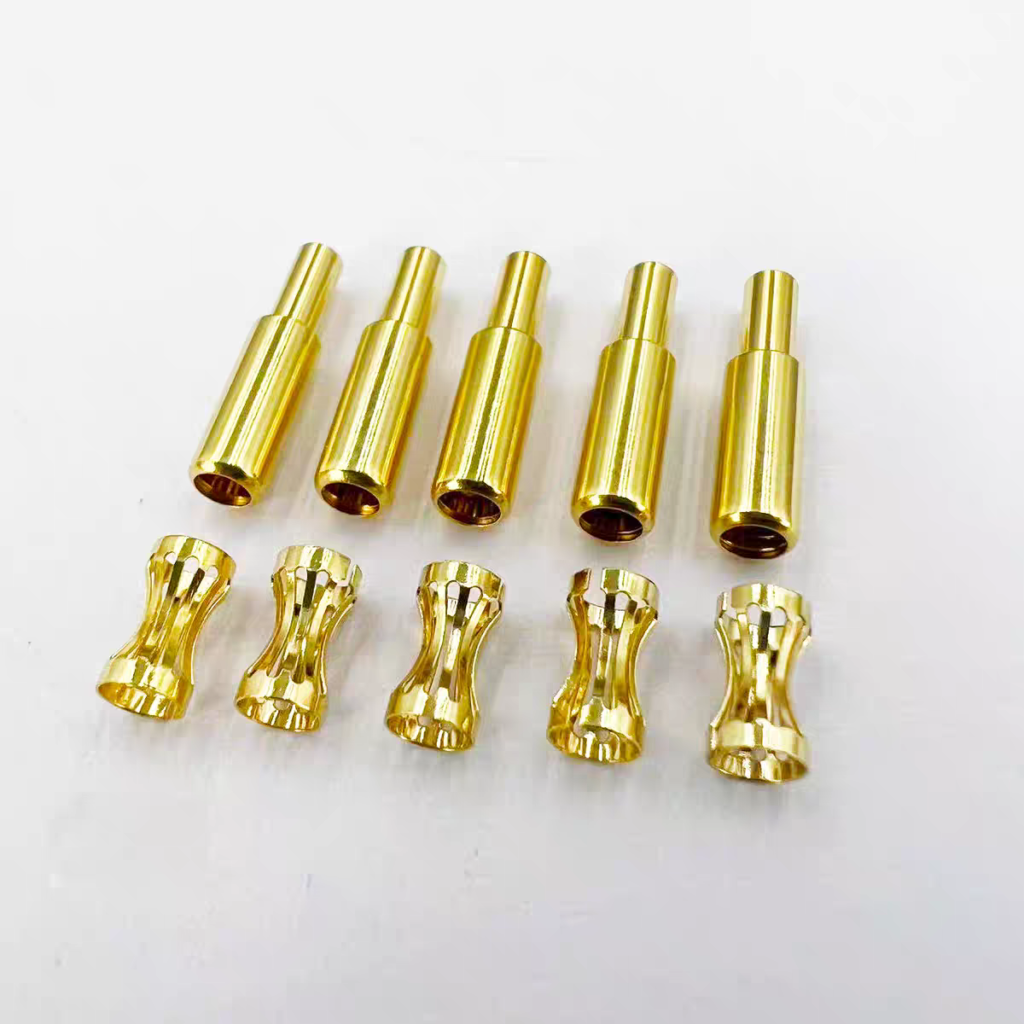
📊 Key Parameter Comparison of Three Plating Types
| Characteristics | Cadmium | Zinc-Nickel | Gold |
|---|---|---|---|
Corrosion Resistance | |||
| – Salt Spray (ASTM B117) | 300-500 hours | >1000 hours | >2000 hours (0.5μm) |
| – Damp Heat (85℃/85%RH) | Blistering after 480h | No failure @720h | No failure in 10y |
| – Chemical Resistance | Weak acid attack | Fuel/hydraulic oil | Full inertness |
Electrical | |||
| – Contact Resistance | 5-10mΩ | 3-8mΩ (Post-passivation) | 0.5-1.5mΩ |
| – High-Frequency | ≤1GHz (VSWR>1.8) | ≤5GHz (VSWR>1.5) | 40GHz (VSWR<1.2) |
| – Galvanic Compatibility | Al compatible | Carbon steel compatible | Req. Ni underlayer |
Mechanical | |||
| – Hardness (HV) | 50-70 | 250-450 | Pure: 90 Hard: 200 |
| – Wear Resistance | 10k cycles | 30k cycles | 50k cycles |
| – Ductility | Excellent (δ>15%) | Good (δ>8%) | Poor (δ<5%) |
Environment | |||
| – Operating Temp | -65~230℃ | -50~300℃ | -65~200℃ |
| – Thermal Shock | 5 cycles (-55~125℃) | 10 cycles (-65~150℃) | 20 cycles (-196~200℃) |
| – Vibration (15G) | MIL-STD-202G Pass | MIL-STD-202G Excellent | MIL-STD-883H Pass |
Econ & Eco | |||
| – Material Cost | Medium ($15-25/kg) | Low ($5-8/kg) | High ($60k/kg) |
| – Processing Cost | edium (Waste treatment) | Low | High (Mask precision) |
| – Eco-Compliance | RoHS exempt/Toxic | Unlimited/Green | Unlimited/Precious |
Aviation Certs | |||
| – Military | MIL-DTL-83488 | AMS 2451/6 | MIL-G-45204D |
| – Civil | Restricted use | Airbus AIMS 06-04-005 | Boeing BAC 5809 |
⚠️ Testing Standards Reference
| Test | Cd Std | Zn-Ni Std | Gold Std |
|---|---|---|---|
| Salt Spray | ASTM B117 | ISO 9227 | ISO 16701 |
| Porosity | ASTM F519 | ISO 10309 | AMS 2422 |
| Adhesion | ASTM B571 | DIN 50969 | MIL-STD-1344 |
| Fretting | N/A | ASTM B1137 | ECSS-Q-ST-70-08C |
表示できるコメントはありません。



コメントする