Filling Line Food Grade Harness Requirements
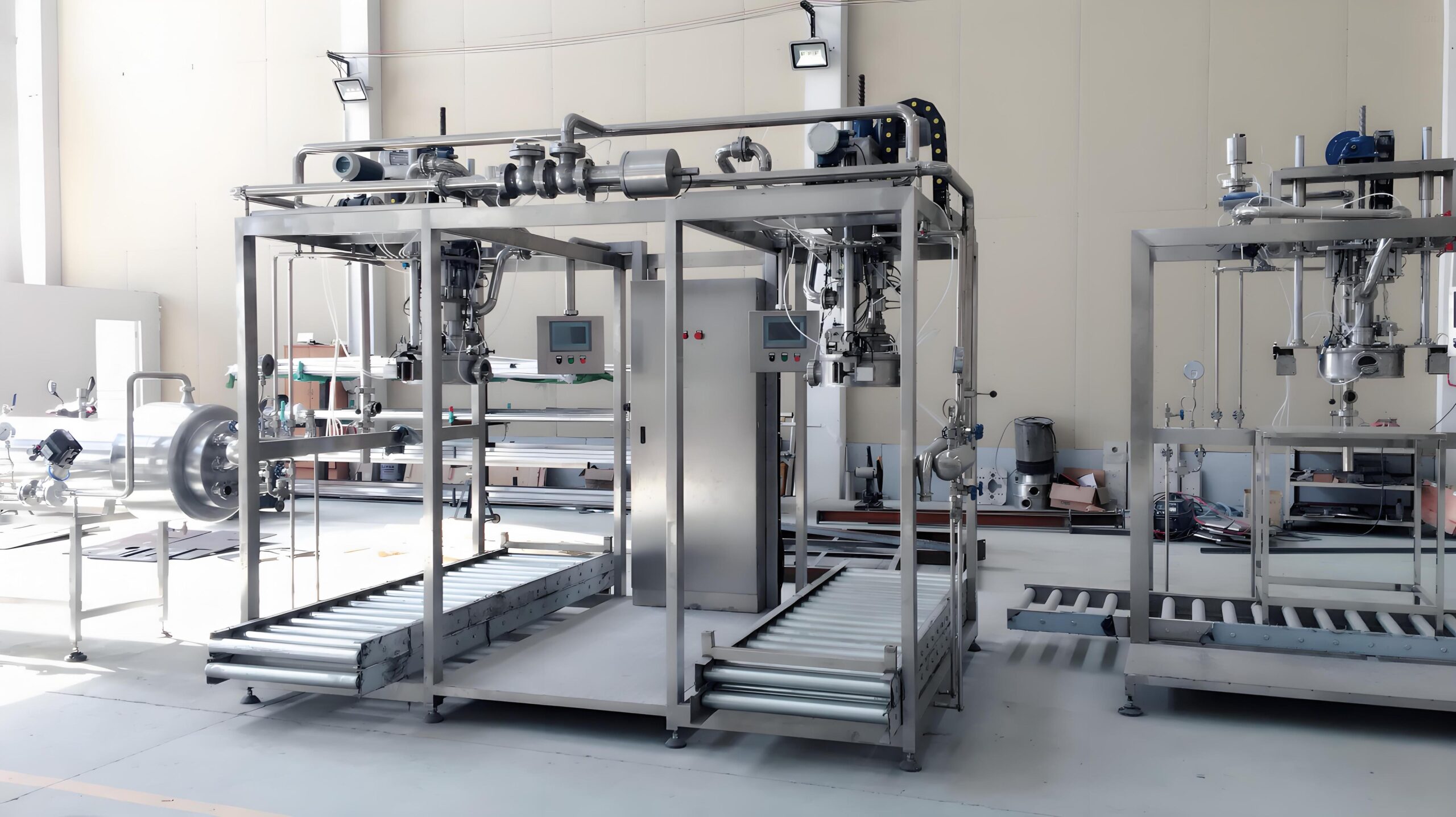
Filling production lines impose extremely high demands on washdown-ready food-grade cable harnesses, which must meet stringent conditions including food safety, chemical resistance, waterproofing/dustproofing, and high-temperature sterilization tolerance.
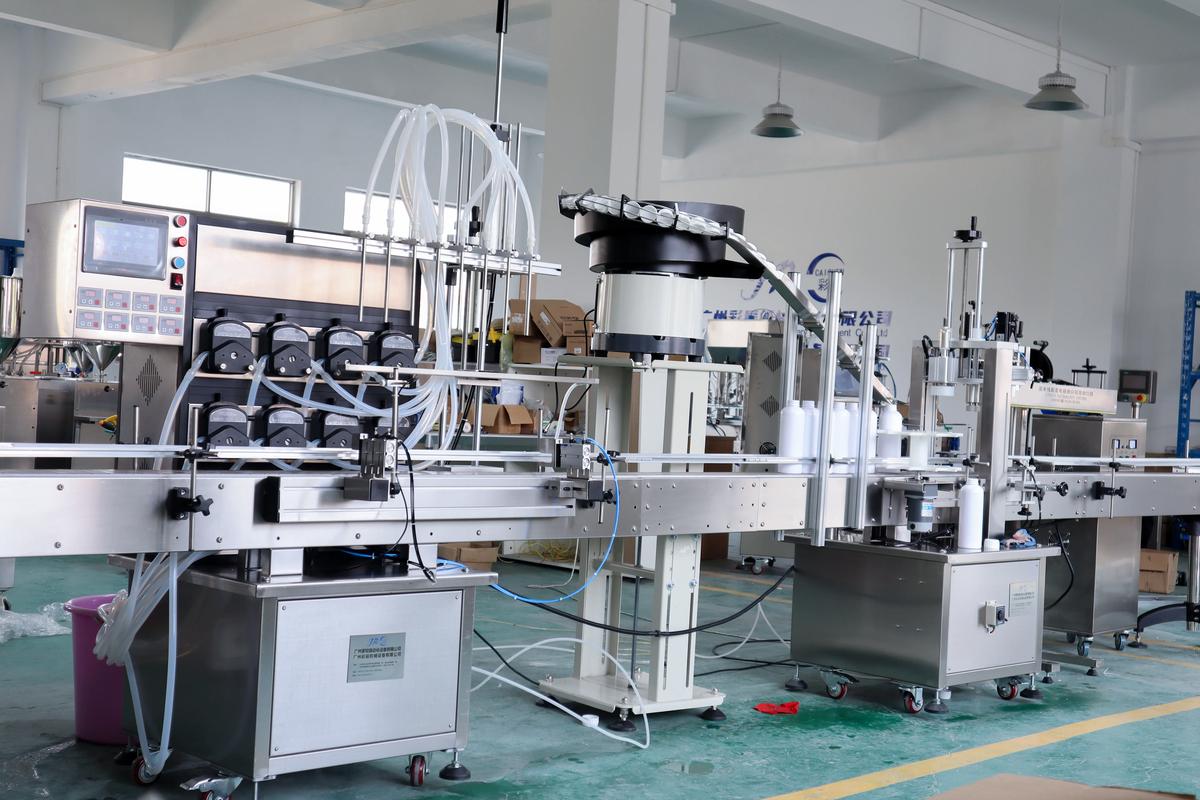
Table of contents
I. Classification by Application Area/Function
1. Filling Machine Internal Harnesses
Application: Connects filling valves, level sensors, flow meters, temperature sensors, pressure sensors, servo/stepper motors (driving filling heads), position switches, etc.
Key Requirements:
- Extremely High Waterproof Rating: Minimum IP67, recommended IP68/IP69K (to withstand high-pressure, high-temperature washdown).
- Food-Grade Materials: Sheath and insulation materials must comply with FDA 21 CFR 177.2600, EU 10/2011, EU 1935/2004, or equivalent standards (e.g., China’s GB 4806 series), ensuring non-toxicity, no migration, odorlessness, and oil resistance.
- Chemical Resistance: Resists corrosion from CIP/SIP cleaners/disinfectants (strong acids/bases, hydrogen peroxide, peracetic acid, alcohol, ozone, etc.).
- High-Temperature Tolerance: Withstands CIP/SIP temperatures (85°C – 140°C or higher transient peaks) and hot-product filling temperatures (if applicable).
- Flexibility & Abrasion Resistance: Accommodates filling head movement and resists friction against mechanical parts.
- Dead-Space-Free Design: Smooth surfaces without gaps, seams, or grooves to prevent residue/microbial buildup.
- Color: Typically white or light blue for easy stain detection.
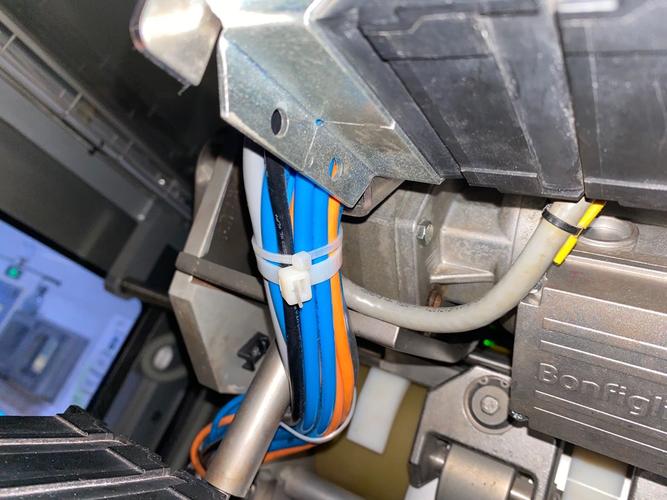
2. Conveyor System Harnesses
Application: Connects drive motors, encoders, speed sensors, photoelectric sensors (detecting bottle/can presence), position switches, emergency stop buttons, etc.
Key Requirements:
- Water/Dust Protection: IP67 as baseline; IP68/IP69K near wash zones or splash-prone areas.
- Food-Grade Materials: Sheath materials must meet food-contact regulations (may contact splashes/condensation).
- Chemical Resistance: Resists floor detergents, splashed cleaners/disinfectants.
- Mechanical Strength: Resists crushing, trampling, and friction against conveyor frames.
- Oil/Grease Resistance: May contact lubricants or minor oil contamination.
- Flexibility: Accommodates potential adjustments/movement.
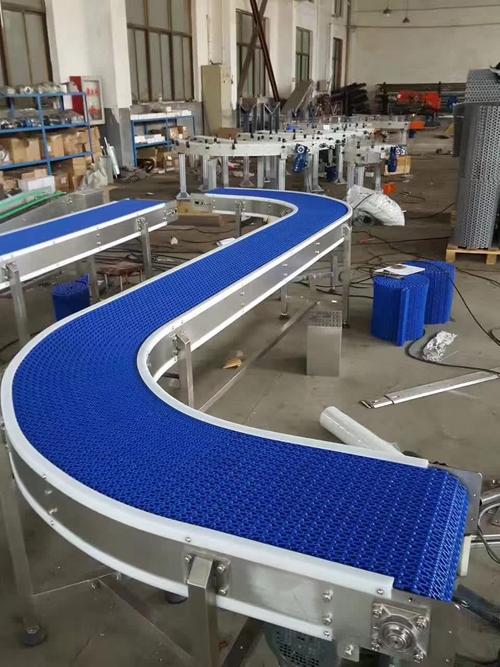
3. CIP/SIP System Harnesses
Application: Connects pump motors, valve actuators (pneumatic/electric), temperature/pressure sensors, flow meters, conductivity/TOC sensors, level switches, etc.
Key Requirements:
- Highest Protection Rating: IP68/IP69K mandatory (direct exposure to high-pressure/temperature fluids/steam).
- Extreme Chemical Resistance: Long-term tolerance to concentrated acids, bases, oxidizers, and aggressive CIP/SIP chemicals.
- Extreme High-Temperature Tolerance: Withstands SIP steam sterilization (121°C – 135°C or higher).
- Highest Food-Grade Certification: Materials must satisfy strictest food-contact and washdown requirements.
- Reliability: Critical system component; failure risks cleaning/sterilization failure.
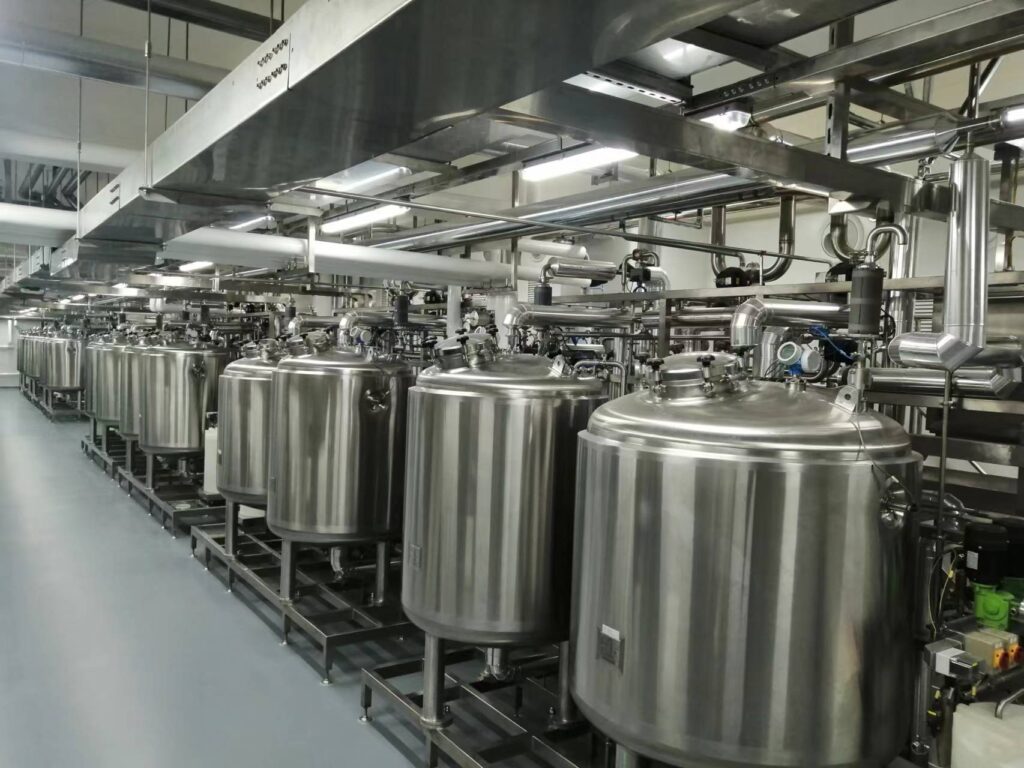
4. Equipment Enclosure/Control Cabinet Harnesses
Application: Connects pump motors, valve actuators (pneumatic/electric), temperature/pressure sensors, flow meters, conductivity/TOC sensors, level switches, etc.
Key Requirements:
- Sealing: Entry/exit points require IP69K-rated food-grade cable glands. Gland materials (e.g., stainless steel, PPSU, food-grade plastics) and seals (e.g., silicone, EPDM) must be food-grade and chemical-resistant.
- Cable Protection: Harness itself must be IP67/IP68/IP69K-rated, especially exposed sections.
- Food-Grade Materials: Exposed sections or parts contacting condensation require food-grade sheathing.
- Strain Relief: Glands must provide robust mechanical strain relief.
II. Classification by Key Features/Components
1. Cable Sheath Materials
- TPU (Thermoplastic Polyurethane): Most common. Advantages: High abrasion/tear resistance, elasticity, oil/chemical resistance (especially hydrolysis/microbes), easy cleaning, food-grade compliance (FDA/EU), color options (white/blue). Temp range: -40°C to +90°C (short-term higher).
- Silicone: Advantages: Exceptional temp range (-60°C to +180°C+), superior flexibility, excellent chemical resistance (especially oxidizers), physiologically inert/high food safety, easy cleaning, odorless. Disadvantages: Lower mechanical strength vs. TPU, higher cost. Used in extreme environments (e.g., near SIP).
- Modified PVC: Some FDA-compliant variants for less demanding areas (e.g., conveyor sensors). Lower cost, flexible. Not recommended for core filling/CIP due to inferior temp/oil/chemical resistance and aging performance.
- PUR (Polyurethane): Mid-performance between PVC and TPU. Excellent abrasion resistance, but may have lower hydrolysis/chemical resistance than TPU.
2. Insulation Materials
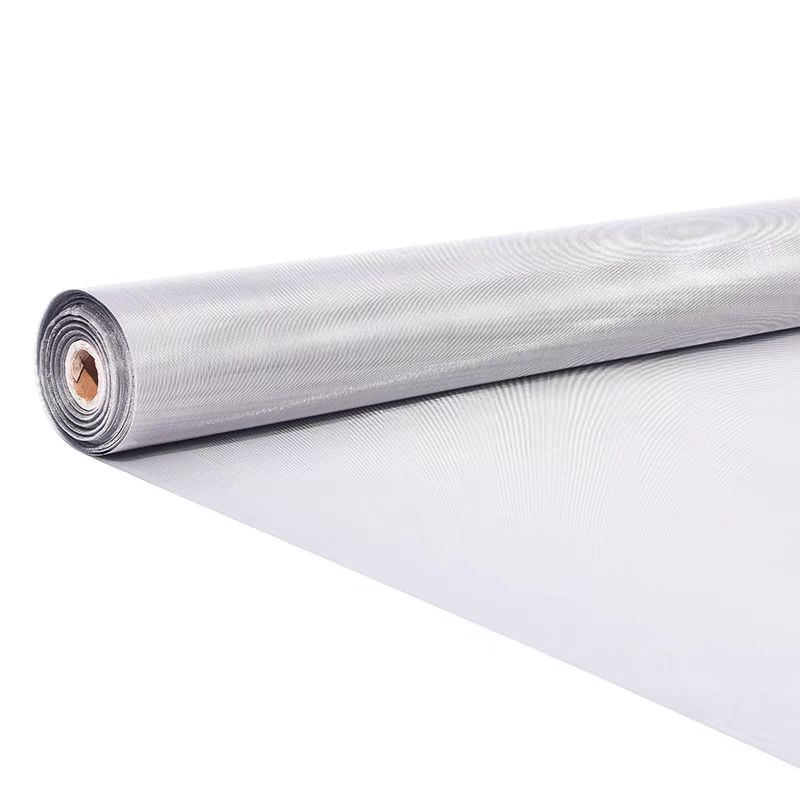
- Typically cross-linked polyethylene (XLPE), PTFE (Teflon), or silicone rubber. Must meet temp, chemical, and electrical specs. Flexibility is also a key factor.
3. Conductors
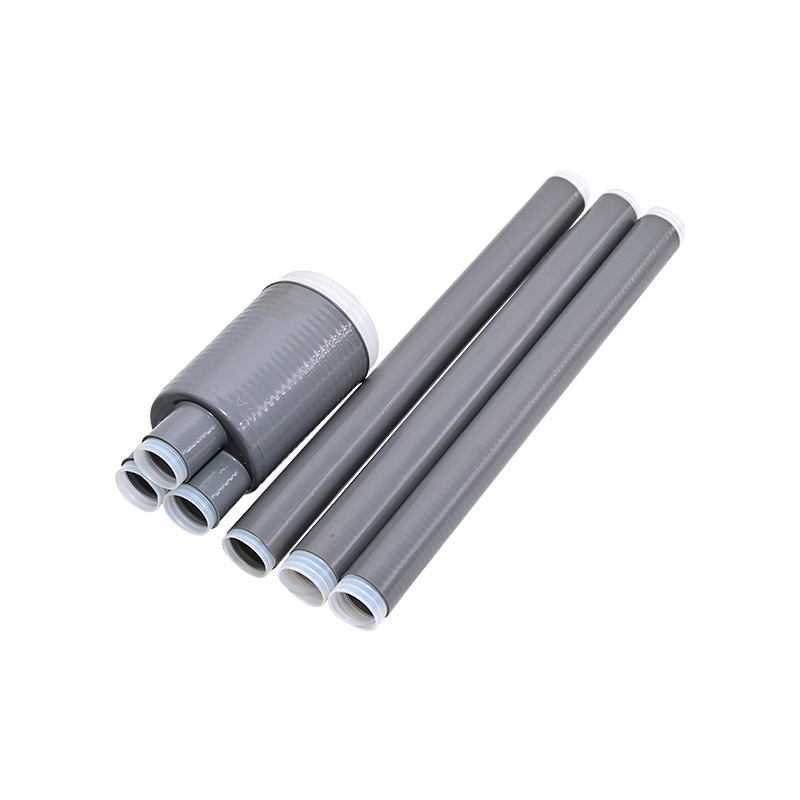
- Fine-stranded tinned copper wires. Tin plating prevents corrosion (e.g., from sulfides in cleaners) and verdigris formation. Stranding ensures flexibility.
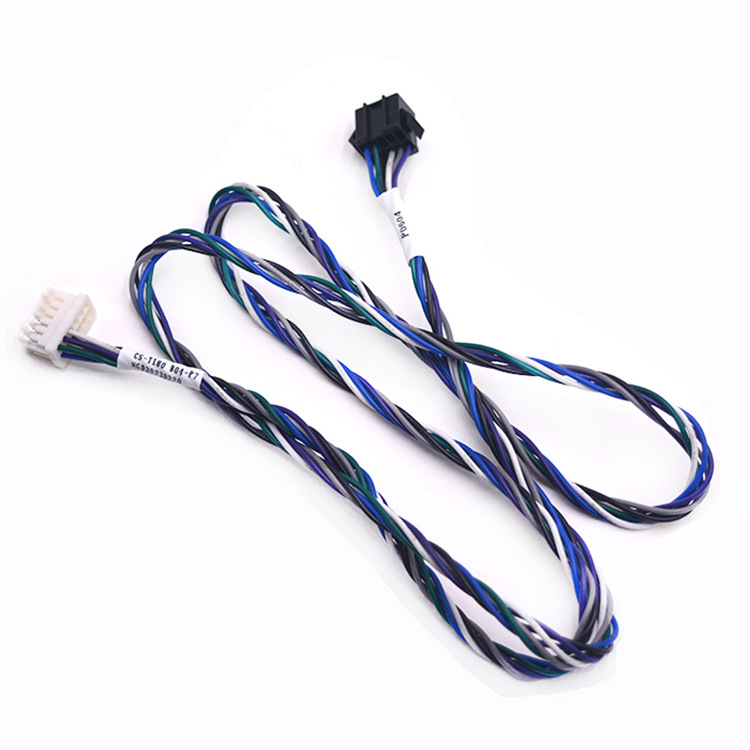
4. Connectors
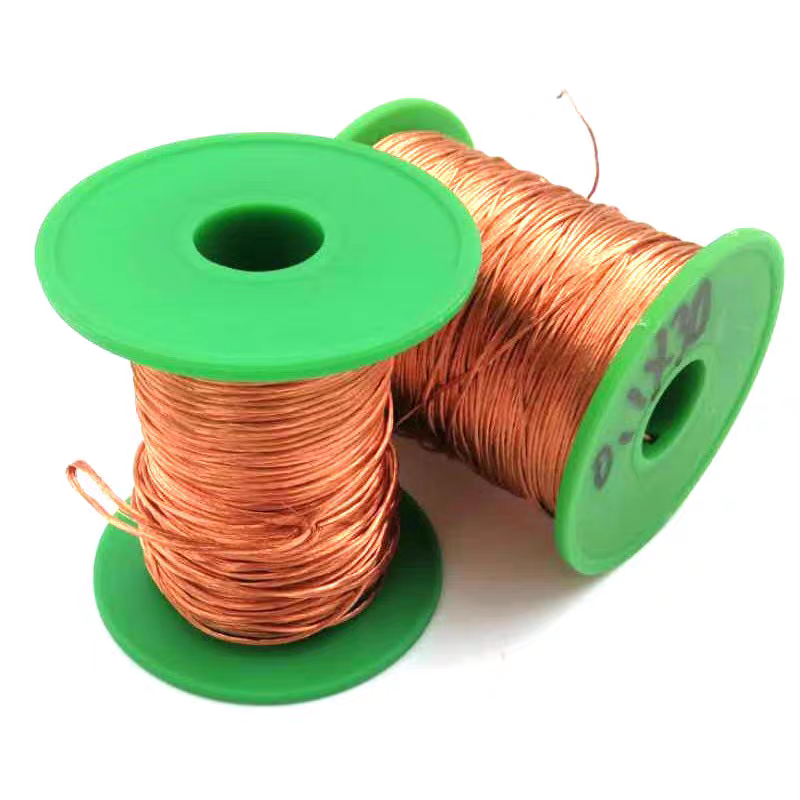
- Material: Stainless steel (e.g., 316L) is most reliable (corrosion/strength). Food-grade engineering plastics for less harsh areas.
- Sealing: Must achieve IP67/IP68/IP69K (multi-sealing: O-rings, gaskets, molded seals).
- Contacts: Gold- or nickel-plated for conductivity/corrosion resistance.
- Locking Mechanism: Secure locking (threaded, bayonet, lever) to resist washdown vibration.
- Design: Dead-space-free, cleanable. Common types: M8/M12, Micro-Change, hygienic-design specialty connectors.
5. Protection Ratings (IP)
- IP67: Dust-tight; protected against immersion up to 1m depth (30 mins).
- IP68: Dust-tight; protected against prolonged immersion (depth/time specified).
- IP69K: Highest washdown protection. Dust-tight; withstands high-pressure (80-100 bar), high-temperature (80°C) water jets from any angle at close range (0.1–0.15m). Mandatory for core areas (filling heads, CIP loops).
6. Certifications & Standards
- Food Safety: FDA 21 CFR 177.2600 (US), EU 10/2011, EU 1935/2004 (EU), GB 4806.X (China).
- Chemical Compatibility: Test reports for specific cleaners (e.g., NaOH, HNO₃, H₃PO₄, H₂O₂, PAA).
- Electrical Safety: UL, CSA, CE, CCC compliance.
- EMC: Electromagnetic compatibility considerations.
- Third-Party Certs: NSF, 3A hygienic design certification (often preferred/required).
7. Design & Manufacturing Requirements
- Dead-Space-Free/Easy Cleaning: Smooth, continuous surfaces; no cracks, grooves, or blind holes. Minimize connections.
- Flexibility: Accommodates motion and maintenance.
- Mechanical Protection: Use food-grade stainless steel conduits or cable carriers in high-risk areas.
- Color Coding: Differentiate functions (power, signal, comms).
- Labeling: Chemical/heat/water-resistant food-grade labels with clear legibility.
- Grounding: Ensure electrical continuity (critical for VFD-driven motors) for EMC/safety.
Summary
Selecting washdown-ready food-grade cable harnesses for filling lines must consider the application location (dictating chemical/temperature/washdown exposure), functional needs, and regulatory requirements. Core priorities remain:
- Food-grade certified materials.
- Adequate IP rating (IP67 baseline; IP69K essential in core zones).
- Resistance to cleaners/disinfectants.
- Tolerance of operating and sterilization temperatures.
- Reliable, cleanable connections and seals.
In core filling and CIP/SIP areas, IP69K-rated harnesses with food-grade silicone or high-performance TPU sheaths and stainless steel connectors are the de facto standard.
表示できるコメントはありません。



コメントする