Household Wiring Safe Current-Carrying Capacity Reference Table

Table of contents
Ⅰ. Household Wiring Safe Current-Carrying Capacity Reference Table
⒈Common Household Wire Safe Current-Carrying Capacity (PVC-Insulated Copper Core Wires)
| Wire Cross-Sectional Area (mm²) | Open Wiring (A) | Conduit Wiring (A) | Concealed Wiring (A) | Recommended Applications | Suggested Circuit Breaker (A) |
| 1.0 | 15 | 10 | 8 | Lighting, Signal Lines | 10A (Type C) |
| 1.5 | 18 | 12 | 10 | General Sockets, Lighting | 16A (Type C) |
| 2.5 | 25 | 16 | 14 | Wall-Mounted AC, Kitchen Appliances | 20A (Type C) |
| 4.0 | 32 | 25 | 20 | Cabinet AC, High-Power Appliances | 25A (Type C) |
| 6.0 | 40 | 32 | 26 | Central AC, Main Inlet Line | 32A (Type C) |
| 10.0 | 55 | 42 | 35 | Main Distribution Box, High-Current Equipment | 40A (Type C) |
▶ Table Notes:
① Impact of Wiring Method
- Open Wiring (e.g., cable trays, bridges): Best heat dissipation, highest current-carrying capacity.
- Conduit Wiring (PVC or metal conduits): Poorer heat dissipation, current-carrying capacity reduced by ~20%.
- Concealed Wiring (embedded in walls or floors): Worst heat dissipation, current-carrying capacity further reduced by 10%~15%.
② Ambient Temperature Adjustment
- Standard current-carrying capacity is based on 30°C ambient temperature. If the temperature is higher (e.g., 40°C), derate by 5%~10%.
③ Circuit Breaker Matching
- Type C circuit breakers are recommended for general household use, while Type D (high inrush current-resistant) is suitable for motorized equipment.
- The rated current of the circuit breaker should be ≤ the wire’s safe current-carrying capacity. For example, 2.5mm² conduit wiring (16A) should be paired with a 16A or 20A breaker.
④ Aluminum Wires Not Recommended for Household Use
- Aluminum wires have lower current-carrying capacity and are prone to oxidation. Copper core wires are strongly recommended for household wiring.
▶ Recommended Applications
▪ 1.5mm²: General lighting, low-power sockets (TVs, chargers, etc.).
▪ 2.5mm²: Bedroom AC units (≤1.5 HP), small kitchen appliances.
▪4.0mm²: Cabinet AC units (≥2 HP), electric water heaters, ovens.
▪6.0~10.0mm²: Central AC, main inlet lines, high-power distribution in villas.
▶ Precautions
▪ Strictly Avoid Overloading: The actual current should not exceed 80% of the wire’s current-carrying capacity (e.g., for 25A capacity, load ≤20A).
▪ Old Wiring Renovation: If 1.5mm² aluminum wires or aged wiring are found, upgrade to ≥2.5mm² copper wires.
▪ Professional Installation: Use standardized connectors (e.g., WAGO terminals) to avoid poor contact and overheating.
▷ This table applies to 220V household circuits. For specific designs, consult actual conditions or a professional electrician.

II. Key Factors Affecting Current-Carrying Capacity
The safe current-carrying capacity of wires is not a fixed value but is influenced by multiple factors. Proper consideration of these factors ensures long-term safe operation of electrical circuits. Below is an analysis of the main influencing factors and their impact levels:
⒈Wiring Method (Different Heat Dissipation Conditions)
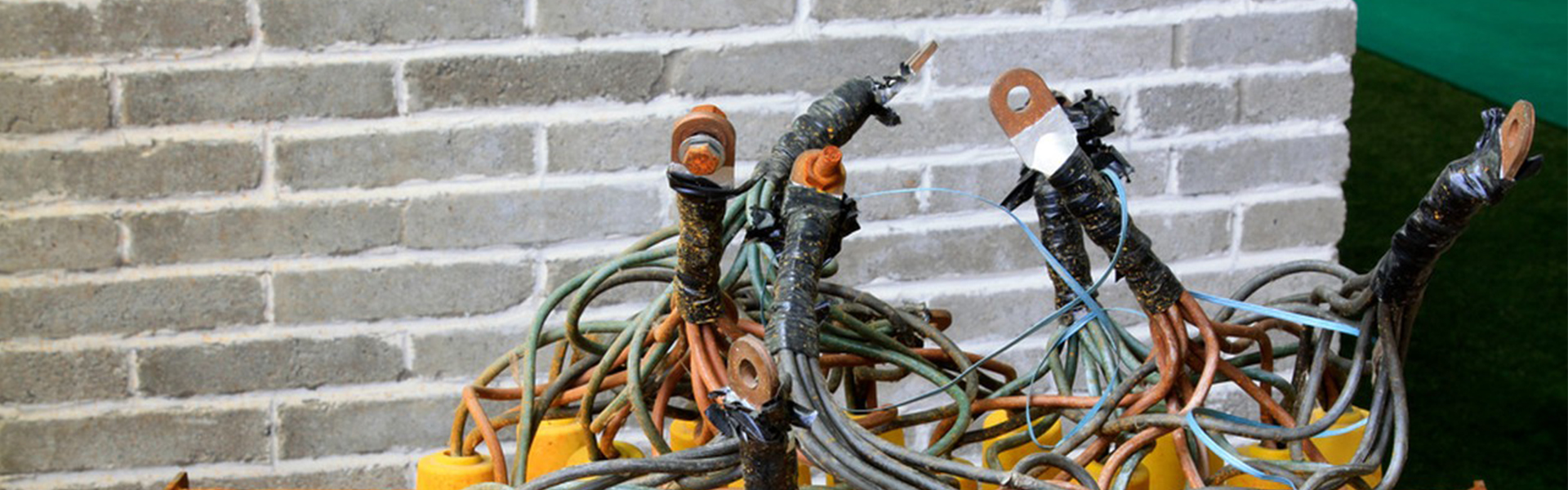
The heat dissipation capability of wires varies depending on the installation method, directly affecting current-carrying capacity.
| Wiring Method | Heat Dissipation Condition | Current-Carrying Capacity Adjustment Factor | Typical Scenarios |
| Open Wiring | Exposed to air, best heat dissipation | 1.0 (baseline) | Cable trays, bridges, open wiring |
| Conduit Wiring | Wires in PVC or metal conduits, limited heat dissipation | 0.8 (20% reduction) | Concealed household wiring |
| Concealed Wiring | Wires buried in walls or floors, poorest heat dissipation | 0.7 (30% reduction) | Wall or floor hidden projects |
▶ Notes:
▪ If multiple wires share the same conduit, the current-carrying capacity must be further reduced (e.g., 10%~15% reduction for 3-4 wires in the same conduit).
▪ Metal conduits offer slightly better heat dissipation than PVC conduits, but the difference is minimal, so PVC conduit calculations are generally used.
2. Ambient Temperature (Derating Required for High Temperatures)
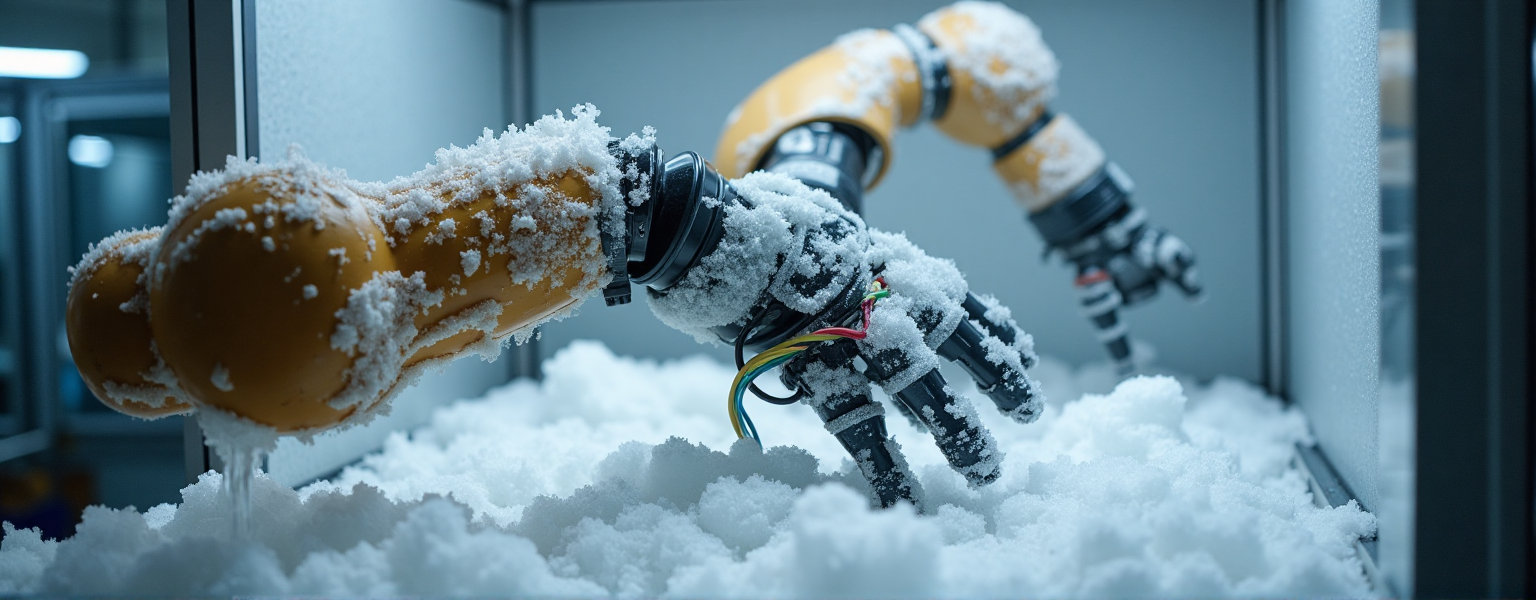
The standard current-carrying capacity is typically based on an ambient temperature of 30°C. If the temperature rises, the capacity must be reduced.
| Ambient Temperature (°C) | Current-Carrying Capacity Adjustment Factor | Impact Description |
| 30°C (standard) | 1.0 | Baseline, no adjustment needed |
| 40°C | 0.9 | High-temperature environments (e.g., rooftops, direct sunlight areas) |
| 50°C | 0.8 | Extreme high temperatures (e.g., boiler rooms, tropical regions) |
▶ Recommendations:
▪ For high-temperature areas like kitchens and balconies, use high-temperature-resistant wires (e.g., XLPE insulation) or increase wire gauge.
▪ During summer heat, avoid prolonged full-load operation to prevent wire overheating and aging.
3. Conductor Material (Copper vs. Aluminum)
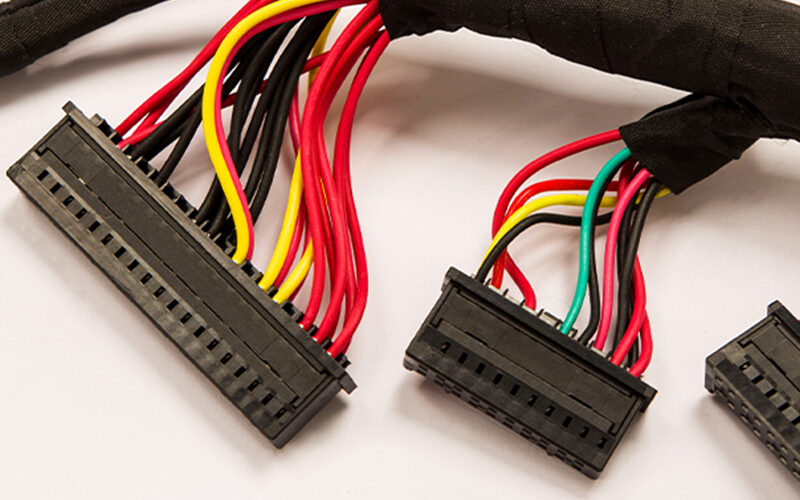
Household wiring primarily uses copper wires, while older systems may use aluminum wires, which have significantly different current-carrying capacities.
| Conductor Material | Conductivity | Current-Carrying Capacity Comparison (Same Cross-Sectional Area) | Suitability for Household Use |
| Copper Wire (BV) | 100% | Baseline (e.g., 2.5mm² = 25A) | Recommended, safe and reliable |
| Aluminum Wire (BLV) | 61% | ~60% of copper wire capacity (requires larger gauge) | Not recommended, prone to oxidation and overheating |
▶ Important Notes:
▪ Never directly connect copper and aluminum wires, as galvanic corrosion can cause poor contact and fire hazards.
▪ If aluminum wires must be used, employ copper-aluminum transition terminals and increase wire gauge (e.g., 2.5mm² copper ≈ 4mm² aluminum).
4. Insulation Material (Temperature Resistance Rating)
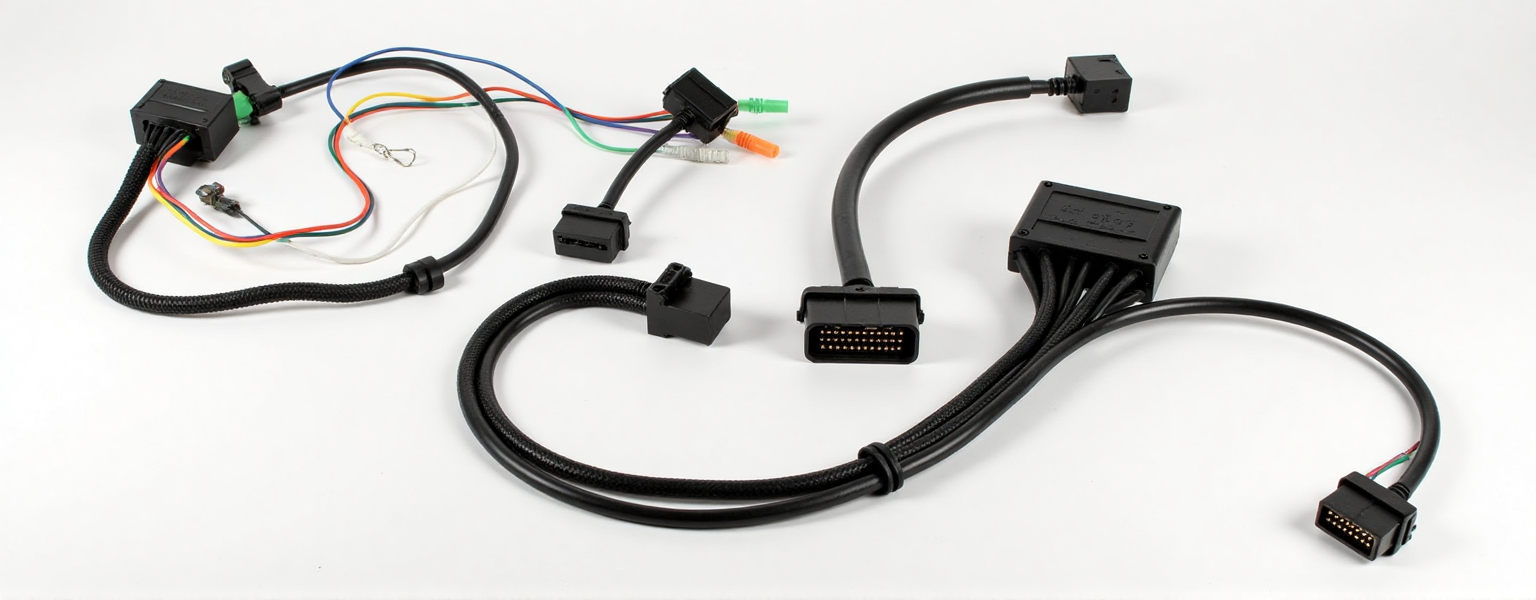
Different insulation materials have varying temperature resistance ratings. Higher allowable long-term operating temperatures enable greater current-carrying capacity.
| Insulation Material | Temperature Resistance Rating | Long-Term Allowable Temperature | Current-Carrying Capacity Comparison (Relative to PVC) |
| PVC (Polyvinyl Chloride) | 70℃ | 70℃ | Baseline (e.g., 2.5mm² conduit wiring = 16A) |
| XLPE (Cross-Linked Polyethylene) | 90℃ | 90℃ | 15%~20% higher (more heat-resistant) |
▶ Household Recommendations:
▪ PVC insulation (BV wires) is suitable for general circuits due to cost-effectiveness.
▪ For high-temperature areas (e.g., kitchens, bathrooms) or high-current circuits, use XLPE insulation (BVVR or flame-retardant wires).
5. Wire Length (Voltage Drop Issue)
Longer wires increase resistance, leading to voltage drop, which affects appliance performance and increases heat generation.
Voltage Drop Formula:
ΔU=I×R×L×2(Single-phase 220V, round-trip wiring)
I: Current (A) R: Wire resistance (Ω/m, ~0.018Ω/mm²·m for copper wires) L: Wire length (m)
▶ Recommendations:
▪ For household circuits, keep single-loop length ≤50 meters, with voltage drop ≤5% (11V).
▪ For long-distance power supply (e.g., villas, courtyards), increase wire gauge or use three-phase power.
Summary: How to Choose the Right Wires?
▷ Prefer copper wires and avoid aluminum wires.
▷ Select the appropriate current-carrying capacity based on wiring method (open/conduit/concealed).
▷ For high-temperature environments (e.g., kitchens), use high-temperature-resistant wires (XLPE) or increase wire gauge.
▷ For long-distance circuits, calculate voltage drop and thicken wires if necessary.
▷ Match circuit breakers to ensure protective devices activate promptly (e.g., 16A capacity with 16A or 20A breakers).
▷ By carefully considering these factors, you can ensure safe, stable, and long-lasting household wiring!
III. Household Circuit Design Recommendations
Scientific and reasonable household circuit design is a key factor in ensuring electrical safety. Below are professional design recommendations based on safe current-carrying capacity to help you plan a safe and reliable household electrical system.
1. Circuit Division Principles
Proper circuit division ensures both electrical safety and convenient future maintenance. Design according to the following principles:
• Functional zoning: Lighting, sockets, AC units should have independent circuits
• Power zoning: High-power appliances must have dedicated circuits
• Spatial zoning: Damp areas like kitchens and bathrooms need separate circuits
• Spare circuits: Recommend reserving 1-2 spare circuits
Typical Household Circuit Configuration:
| Circuit Type | Recommended Wire Gauge (mm²) | Circuit Breaker (A) | Application Scenario |
| Lighting Circuit | 1.5 | 10 | Whole-house lighting system |
| General Socket Circuit | 2.5 | 16 | Living room/bedroom sockets |
| Kitchen Circuit | 4.0 | 25 | Rice cookers, microwaves etc. |
| Bathroom Circuit | 4.0 | 25 | Water heaters, bath heaters |
| AC Circuit | 4.0/6.0 | 25/32 | Wall-mounted/cabinet AC |
| High-power Circuit | 6.0 | 32 | Instant water heaters, induction cooktops |
| Main Incoming Circuit | 10.0 | 40-63 | Main distribution box switch |

2. Circuit Breaker Selection Guide
Circuit breakers are crucial for electrical safety. Note:
• Current rating match: Breaker rating ≤ wire’s safe current-carrying capacity
• Type selection:
- Type C: For general household appliances (lighting, sockets)
- Type D: For motorized equipment (AC, refrigerators)
• Leakage protection: Recommend 30mA RCD for all socket circuits
Circuit Breaker Selection Reference:
| Wire Gauge (mm²) | Max Current (A) | Recommended Breaker (A) | Protection Type |
| 1.5 | 12 | 10 | Type C |
| 2.5 | 16 | 16 | Type C+RCD |
| 4.0 | 25 | 25 | Type C/D+RCD |
| 6.0 | 32 | 32 | Type D+RCD |
3. Safety Margin Design
For long-term safe operation:
• Load control: Operating current ≤80% of wire’s capacity
• Startup current: Consider 3-5× rated current for motors
• Future capacity: Recommend 20% spare capacity for main circuits
▶ Example Calculation:
- 3HP AC rated current ~10A, startup current ~30A
- Use 4mm² wire (25A capacity)
- Match with 25A Type D breaker (handles inrush current)
4. Special Area Design Considerations
Different functional areas require specific designs:
▶ Kitchen:
- Recommend 2-3 independent circuits
- Use moisture-resistant sockets
- Dedicated circuit for high-power appliances
▶ Bathroom:
- RCD protection mandatory
- Dedicated circuit for water heaters
- Separate circuit for bath heaters
▶ Living Room/Bedroom:
- Dedicated circuit for AC units
- Multiple sockets for TV console
- Proper height for bedside sockets
5. Smart Home Wiring Recommendations
For smart home integration:
• Network wiring: Cat6 cable to each room
• Load control: Operating current ≤80% of wire’s capacity
• Motorized curtains: Power above windows
• Security system: Power for cameras/alarms
• Background music: Pre-wire speaker cables
6. Installation Inspection Points
Post-installation checks:
• Insulation test: ≥0.5MΩ @500V megger
• Continuity test: Verify all circuit connections
• Grounding test: ≤4Ω resistance
• Load test: 1-hour operation, check heating
6. Installation Inspection Points
• Proper zoning: Independent circuits by function/power
• Standardized selection: Match wires and breakers
• Capacity reserve: Allow for future needs
• Special treatment: Enhanced protection for damp/hot areas
• Smart preparation: Future-proof wiring
• Rigorous inspection: Ensure construction quality
▷ Following these recommendations will create a safe, reliable, and maintainable household electrical system. Professional electricians should be hired to ensure compliance with national electrical codes.
IV. Frequently Asked Questions
During household circuit design and installation, various questions about wire current-carrying capacity and circuit safety often arise. Below are professional answers to common questions to help you better understand and apply wire safety current-carrying capacity knowledge.

1. Wire Specification Selection Questions
Q1: What size wire should I use for my 1.5HP air conditioner?
A1: A 1.5HP AC has a rated current of about 6-8A, with a startup current of up to 20A. Recommendations:
- Minimum: 2.5mm² copper wire (16A in conduit)
- Optimal: 4.0mm² copper wire (25A in conduit)
- Paired with a 20A Type C or D circuit breaker
Q2: How should I select wires for a kitchen with many appliances?
A2: For modern kitchens:
- Main line: 6.0mm² copper wire
- Sub-circuits:
- High-power appliances (ovens, etc.): 4.0mm² dedicated circuit
- General appliances: 2.5mm² circuit
- Lighting: 1.5mm² circuit
- Main switch recommendation: 40A with RCD
2. Current-Carrying Capacity and Circuit Breaker Matching
Q3: Why can a 2.5mm² wire only be paired with a 16A breaker?
A3: This is based on multiple safety considerations:
- Conduit current-carrying capacity: 2.5mm² in conduit = 16A
- Long-term safety: At 80% load rate, continuous current should be ≤12.8A
- Protection matching: A 16A breaker trips promptly during overload
Q4: If the wire doesn’t feel hot, can I use a larger breaker?
A4: Absolutely not! Reasons:
- Wire heating is gradual and may not be immediately apparent
- Overload accelerates insulation aging, creating fire hazards
- Breakers must strictly match the wire’s current-carrying capacity
3. Special Application Scenarios
Q5: Can aluminum wires in old houses still be used? How to upgrade?
A5: Upgrade recommendations:
- Assess current condition:
- Check wire gauge (typically 2.5mm² for old aluminum wires)
- Test insulation condition
- Upgrade options:
- Complete replacement with copper wires (recommended)
- Minimum requirement: High-power circuits must use copper
- Temporary solution:
- Use copper-aluminum transition terminals
- Never connect directly by twisting
Q6: How to solve voltage drop in long-distance power supply for villas?
A6: Solutions:
- Increase wire gauge:
- ≤50m: Standard sizing
- 50-100m: Increase one gauge size
- 100m: Increase two gauge sizes
- Use three-phase power:
- Recommended for loads >8kW
- Balance loads across phases
4. Installation and Inspection Questions
Q7: How to determine if wiring installation is qualified?
A7: Inspection points:
- Visual inspection:
- Undamaged conduits
- Secure junction boxes
- Electrical tests:
- Insulation resistance ≥0.5MΩ
- Ground resistance ≤4Ω
- Load test:
- Operate under load for 1 hour
- Check connection point temperatures
Q8: Can multiple wires run through the same conduit?
A8: Must follow these rules:
| Conduit Diameter (mm) | Max Wires (2.5mm²) | Derating Factor |
| 16 | 3 | 0.7 |
| 20 | 5 | 0.6 |
| 25 | 7 | 0.5 |
▶ Recommendations:
- Important circuits should use separate conduits
- No more than 3 wires per conduit
- Adjust current-carrying capacity per derating factor
5. Safety Usage and Maintenance
Q9: What to do if breakers trip frequently?
A9: Troubleshooting steps:
- Identify trip type:
- RCD trip: Circuit or appliance leakage
- Overload trip: Excessive power consumption
- Solutions:
- Restore power circuit-by-circuit to identify issue
- Measure actual current in each circuit
- Check appliance insulation
Q10: What is wire lifespan? When to replace?
A10: Reference standards:
- PVC-insulated wires: 15-20 years
- XLPE-insulated wires: 20-30 years
Replacement indicators:
▶ Recommendations:
• Cracked/hardened insulation
• Noticeable heat at connections
• Frequent unexplained tripping
• Wiring older than 15 years
Summary: Golden Rules for Electrical Safety
• Bigger is better: Choose larger wire gauges when in doubt
• Dedicated circuits: High-power appliances need independent circuits
• Matched protection: Breakers must correspond to wire capacity
• Regular inspections: Annual electrical safety checks minimum
• Professional installation: All electrical work by licensed electricians
表示できるコメントはありません。




コメントする